
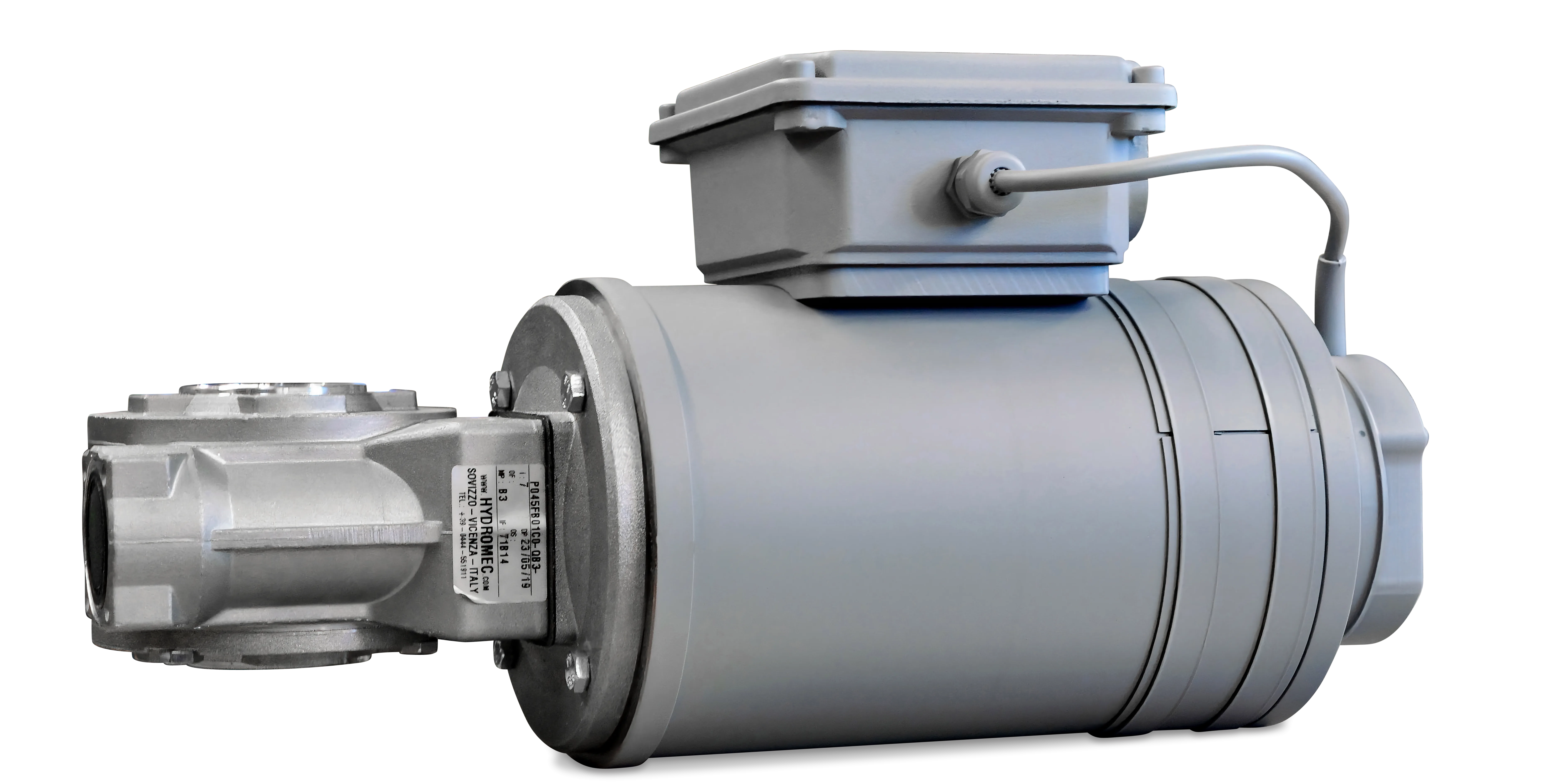
What changes in a marine environment?
Moisture, salt, restricted ventilation and long service intervals place different demands on a shipboard motor than on a drive in a clean factory. Protection is not defined by the IP rating alone: shaft seals, coating, terminal arrangement, drainage, insulation system and the selected cooling method must work together.
| Requirement | Design consideration |
|---|---|
| Ambient air and salt exposure | Corrosion protection, materials and insulation selection. |
| Available ventilation | Self-cooling, forced ventilation or enclosed construction. |
| Supply variation | Torque and current across the real onboard voltage range. |
| Shock and vibration | Mounting, bearings, connections and attached components. |
| Service access | Brush inspection, bearing replacement and terminal accessibility. |
Replacing an obsolete shipboard motor
A compatible replacement is assessed against shaft height, mounting, coupling, direction of rotation, controller and protective devices. Keeping these interfaces can reduce conversion work and vessel downtime, while updated insulation and cooling can address known weaknesses of the original unit.
For a quick assessment: provide nameplate and installation photographs, drawings, supply limits, operating points, duty, ambient conditions and any applicable project or classification requirements.